Our Development Process
We structure our engagements around three stages: Project Design, Project Delivery and Project Execution. Each stage has a defined purpose, a clear output and commercial terms agreed before work begins.
We start with paid discussion and requirements work. Once the scope is clear, we offer a fixed price to build the product. Quality assurance and ongoing operation are then agreed separately, according to what your project needs.
1. Project Design
Paid Discussion & Requirements
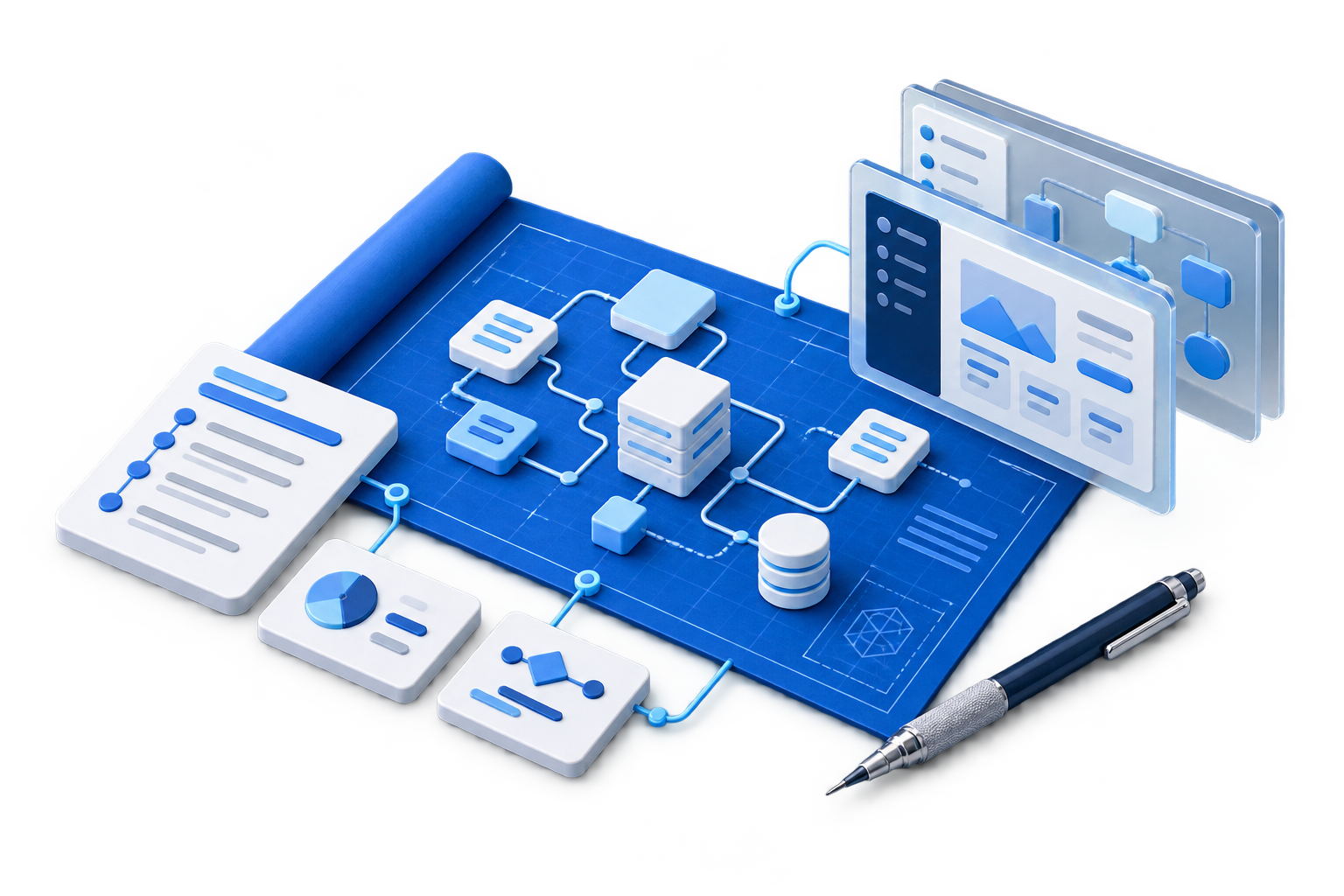
The initial discussion is paid work on a time and materials basis. We work with you to understand the problem, review your existing systems and define what the product needs to do. The time spent on meetings, investigation, requirements and design is charged at the agreed rate.
The purpose is to turn your idea into a project that can be priced and delivered. We identify the users, workflows, integrations and technical constraints, then document the scope and what will constitute an accepted delivery.
-
Requirements: the functions, workflows and business rules the product must support.
-
Scope: the deliverables, exclusions, assumptions and responsibilities of each party.
-
Design: the proposed solution, including interfaces, architecture or prototypes where needed.
-
Acceptance: the criteria we will use to demonstrate that the agreed product has been delivered.
-
Delivery Proposal: a fixed-price build proposal, with the deposit, acceptance payment, delivery schedule and included review round stated up front.
For AI projects, this also establishes the data available, the model or agent capabilities required, the integrations and the limits of what the system may do. Where a technical assumption needs to be proven before we can price the build, we investigate it during this stage.
You receive the requirements and design work produced during the engagement. You can then commission the build, adjust the scope or stop at the design stage. Proceeding to Project Delivery is a separate decision.
2. Project Delivery
Fixed-Price Rapid Application Development
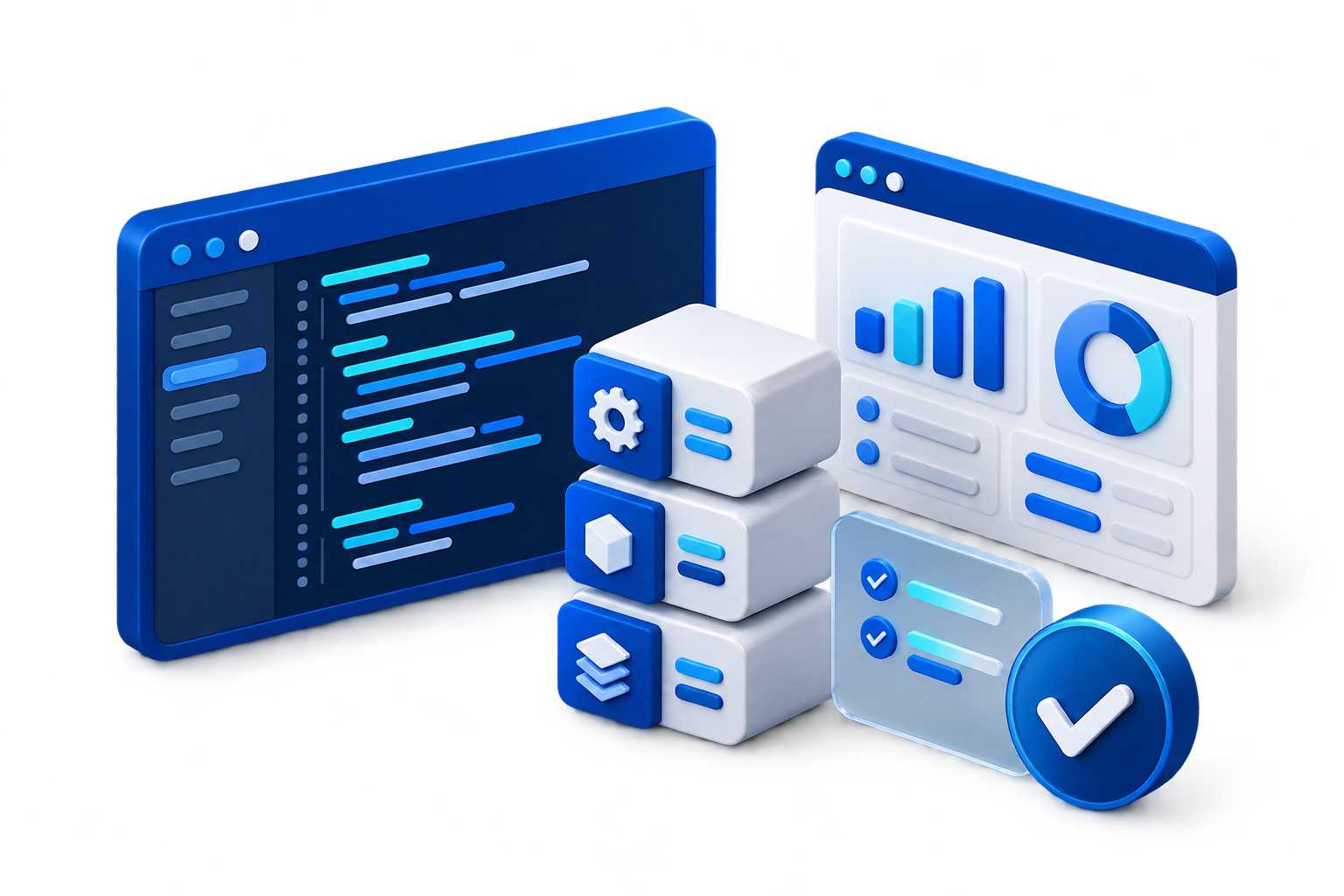
We build the agreed product using rapid application development. We move quickly from the approved requirements to a working application, using the tools and approach that suit the project. The engagement is based on a defined delivery for a fixed price.
The build follows these steps:
-
Initial Deposit: you accept the proposal and pay the agreed deposit before the build begins.
-
Build: we implement the agreed requirements and prepare a working product for your review. We check the build against the agreed scope before presenting it to you.
-
One Round of Changes: you review the product and provide one consolidated set of changes within the agreed scope. We complete that review/update round as part of the fixed price.
-
Delivery & Acceptance: we present the completed product against the agreed acceptance criteria and deliver the agreed materials.
-
Acceptance Payment: the agreed acceptance payment is due on accepted delivery. Project-specific source code and handover follow the agreed terms, once the product is accepted and paid for in full.
The fixed price covers the agreed scope and the included change round. Additional features, a change in requirements or further review rounds are assessed and priced separately before we proceed. The proposal records any client inputs or third-party dependencies that affect delivery.
Where a project contains several products or substantial components, we can agree a separate scope, price and acceptance point for each. You can commission them separately or together.
A Separate QA Round
A dedicated quality assurance round can follow delivery. This is a separate engagement and may be time and materials or fixed price, depending on what we negotiate.
Before that round begins, we agree what will be tested, the environments and data required, who will carry out the testing and how findings will be handled. The work can include functional testing, integration testing, security and performance checks, or user acceptance testing. For AI systems, it can also include model quality, agent behaviour and checks against representative cases.
The QA engagement does not replace the checks we carry out during the build. It provides a defined additional round of testing. We agree how defects, new requirements and any further changes are treated, and whether completion of that round is required before production use.
3. Project Execution
Operating the Delivered System
Project Execution covers putting the delivered system into use and keeping it running. Once the product has been accepted and handed over, ongoing operation, support and maintenance are agreed separately from the build.
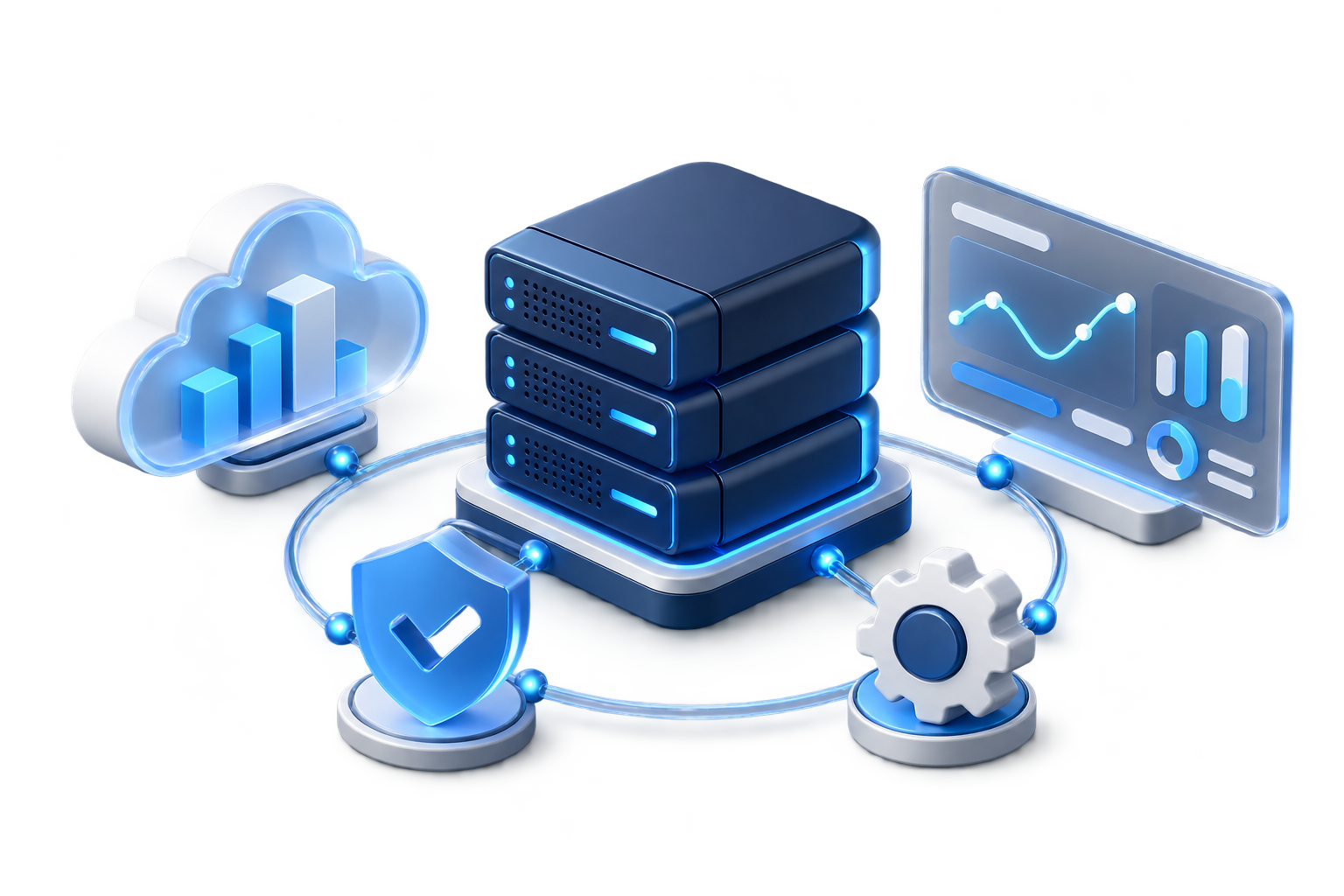
We can negotiate a service level agreement (SLA) that defines the services we will provide and the responsibilities of both parties. Depending on the project, this may cover:
-
Deployment & Operation: production setup, hosting administration, scheduled jobs and routine system operation.
-
Monitoring & Incident Response: what we monitor, who receives alerts, how incidents are raised and the agreed response arrangements.
-
Maintenance: updates, backups, recovery work and maintenance of the supported application and integrations.
-
AI Operation: model and provider updates, agent failures, output quality, usage and operating costs where these form part of the system.
-
Service Levels: the service hours, response targets, escalation contacts, exclusions and fees agreed for the engagement.
The SLA states what is included and how additional work is charged. Hosting, cloud infrastructure, domains, third-party services and paid APIs are identified separately, with responsibility for those costs agreed up front.
You can operate the system internally, engage us under an SLA or agree a handover to another provider. Ongoing support is included only where it has been agreed.
Agree the Next Stage
You do not need to commit to all three stages at once. We agree each engagement before it starts: time and materials for Project Design, a fixed price for Project Delivery, a separately scoped QA round where required, and an SLA for Project Execution if you want us to operate and support the system.
Discuss Your Project With Sphere 10 or Explore Our Services .