AI System Design|Technical Validation|Delivery Architecture
Before you commit a budget to AI, you need to know what to build, what it will cost to run and whether it will do the job. Sphere 10 designs the whole solution around one useful business result, such as an answered enquiry, a qualified lead, a confirmed booking or an approved quote, and proves the uncertain parts in working software before you fund the full build.
What we do
Map the work. We trace the job through the people, records and systems involved, then decide where a language model, search over your own documents, an agent or ordinary software belongs.
Choose the model and where it runs. We work with OpenAI, Claude and Gemini directly or through Microsoft Foundry, Amazon Bedrock and Google Vertex AI, and with privately hosted open models when your data has to stay in-house. We compare the options on your workload for quality, speed and running cost.
Settle who owns what. Prices, stock, availability and customer records stay with the systems responsible for them. We define what the AI may read, what it may draft and what needs a person's approval.
Build a working slice. A small end-to-end version uses a real data source, a real model and a real screen, so decisions rest on evidence rather than a demonstration.
Illustration of connected AI business workflows with an approval checkpoint.
What you receive
A map of the workflow, the systems involved and who is responsible for each step.
A working slice with its source code and measured results.
Agreed acceptance examples that define what "working" means before the build starts.
A build scope with costs, assumptions and dependencies made explicit.
How we engage
Architecture is delivered as Project Design, paid on time and materials. Its output gives both of us a firm basis for a fixed-price build, instead of a quote written around undefined AI behaviour.
Predictive Models|Language Model Adaptation|Reproducible Training
Some decisions need more than a prompt. When you want to forecast demand, classify incoming documents, rank enquiries for your sales team or spot an operational anomaly, a model trained on your own data can do it consistently. Sphere 10 builds that model, proves it on data it has not seen and delivers it in a form your software can use.
What we do
Start from the decision. We agree what the model must predict, what information is available at that moment and what a wrong answer costs you.
Prepare the data properly. We check how past examples were labelled and whether history reflects how the model will be used, so results hold up outside the test.
Pick the right technique. Forecasting, classification, ranking, image recognition and language-model fine-tuning each have suitable tools. We compare candidates against a simple baseline and train a custom model only where it earns its place.
Fit it into your application. Predictions arrive through a documented interface, in .NET or as a service, with uncertain cases sent to a person.
Illustration of GPU-accelerated model training and application engineering.
What you receive
A trained model with its measured accuracy on unseen and difficult cases.
The training code, data preparation steps and environment needed to reproduce it.
An interface your application calls, with worked examples.
Retraining instructions and the signs that tell you the model needs refreshing.
How we engage
Bring representative examples and the decisions your staff make from them. Project Design establishes whether training is justified and what accuracy is achievable. The model is then built at a fixed price against the agreed acceptance measures.
Your staff and customers should be able to ask a question and get an answer drawn from your own manuals, procedures, product information and records, with a link to the source. Sphere 10 builds that knowledge capability into your application, so answers can be checked, access is respected and updates flow through.
What we do
Connect your sources. SharePoint and OneDrive, Notion, shared documents, help content and business records are brought in through supported interfaces, keeping their structure, versions and access rules.
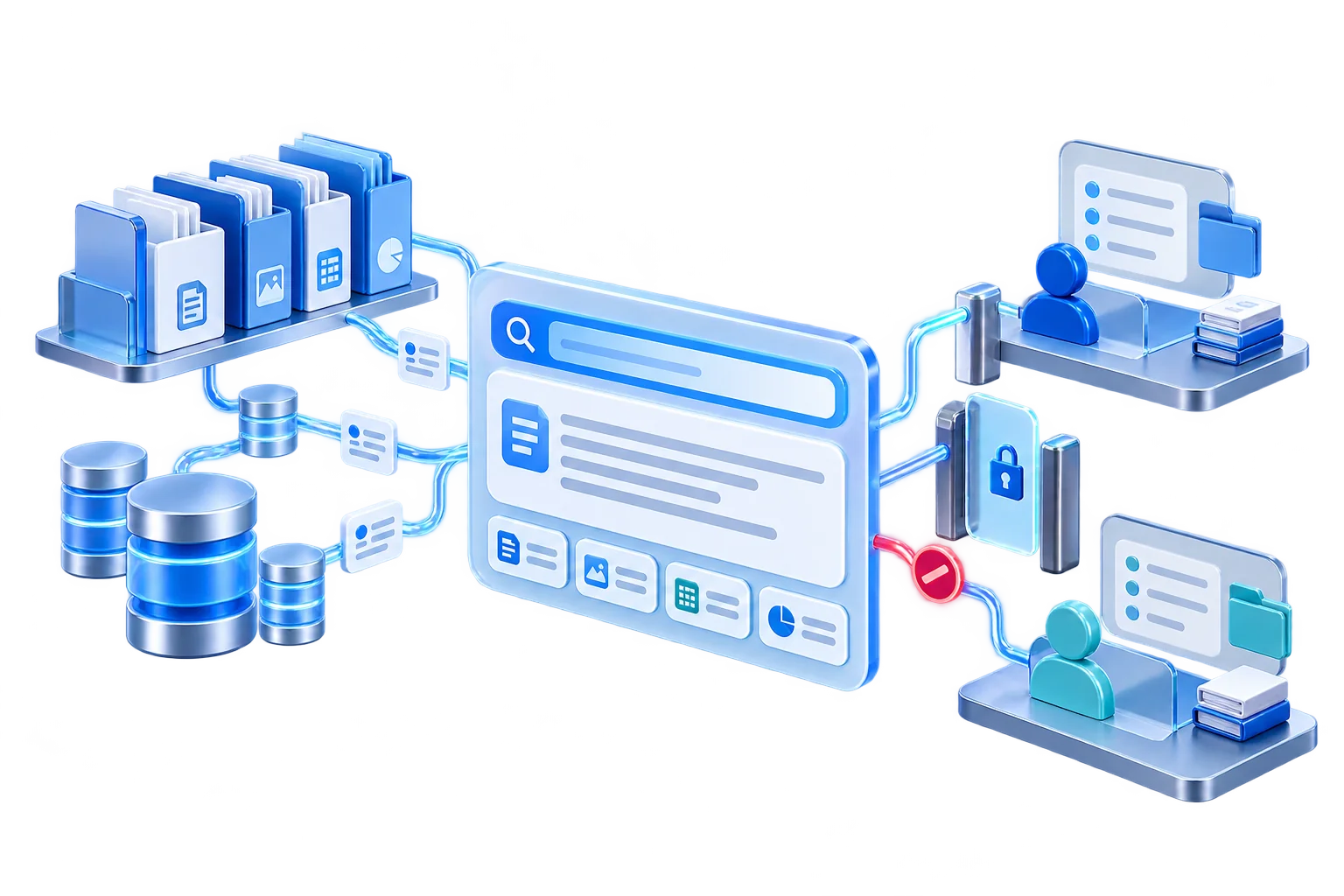
Make answers traceable. Every answer cites the passage it came from. Where the information is missing or contradictory, the assistant says so instead of guessing.
Respect permissions. People see answers only from material they are entitled to read, and deleted or withdrawn documents stop appearing.
Illustration of an internal answer with source references and a permission boundary.
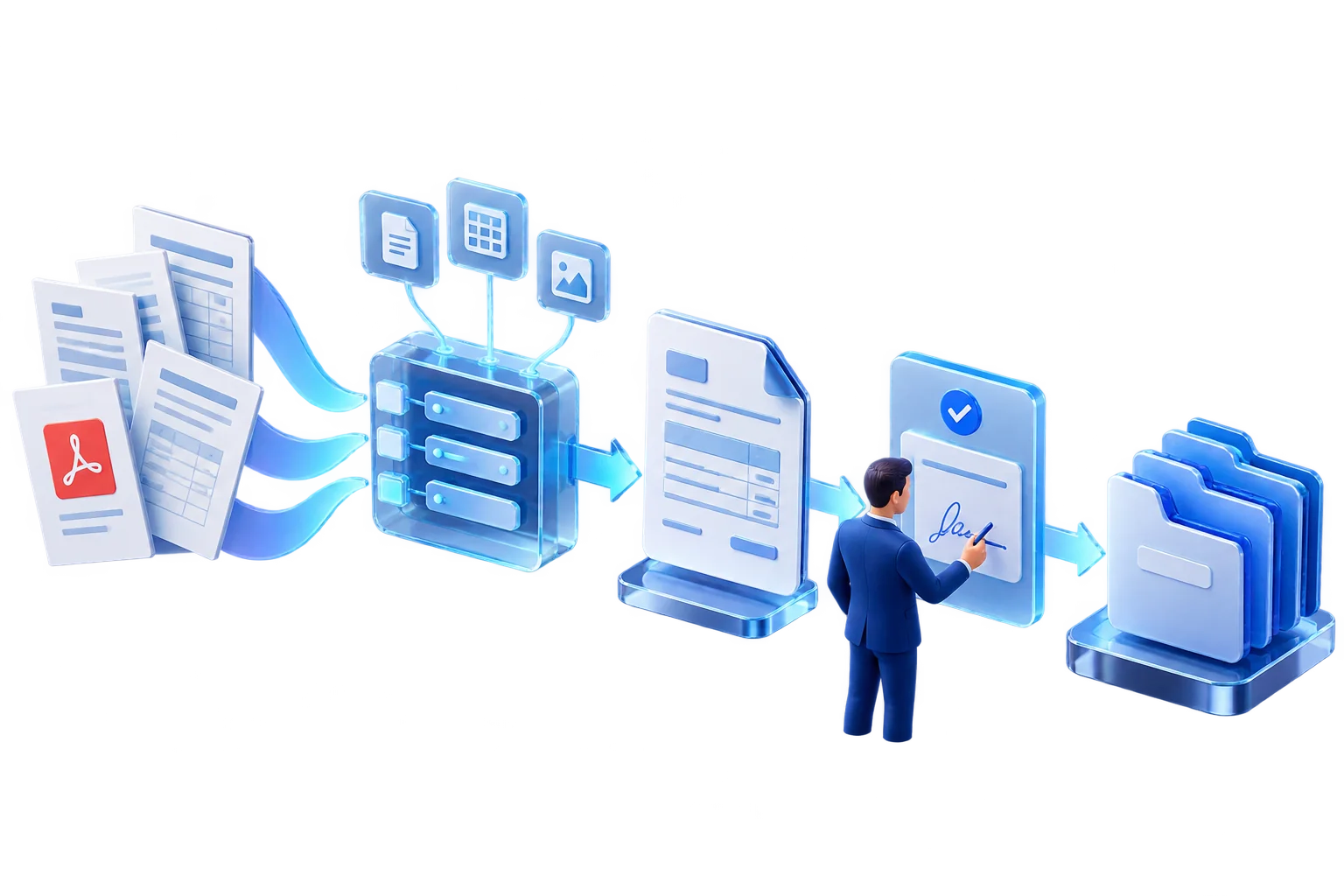
Turn documents into records. Invoices, applications and forms can be read into structured fields that your staff review against the original before approving.
What you receive
A working assistant or search feature inside your application, with source links.
Connectors that keep the knowledge collection current, including deletions.
A set of test questions that measures answer quality and catches regressions.
Procedures your team can follow to add sources, rebuild and resolve failed imports.
Illustration of document extraction, quotation preparation, signature and filing.
How we engage
Project Design proves the approach on real staff questions and real documents before the build is priced. Acceptance demonstrates useful citations, correct access boundaries and a source update reaching the answer.
Platforms & Tooling
.NET
Microsoft.Extensions.AI
Local Notion
PostgreSQL
pgvector
Qdrant
Hugging Face
Python
Agents With Tools|Controlled Workflows|Auditable Actions
An agent is useful when it finishes work, not when it only talks about it. Sphere 10 builds agents that take an enquiry, booking, document or order from arrival to a completed record in your systems, with your staff approving the steps that matter and able to see exactly what was done.
What we automate
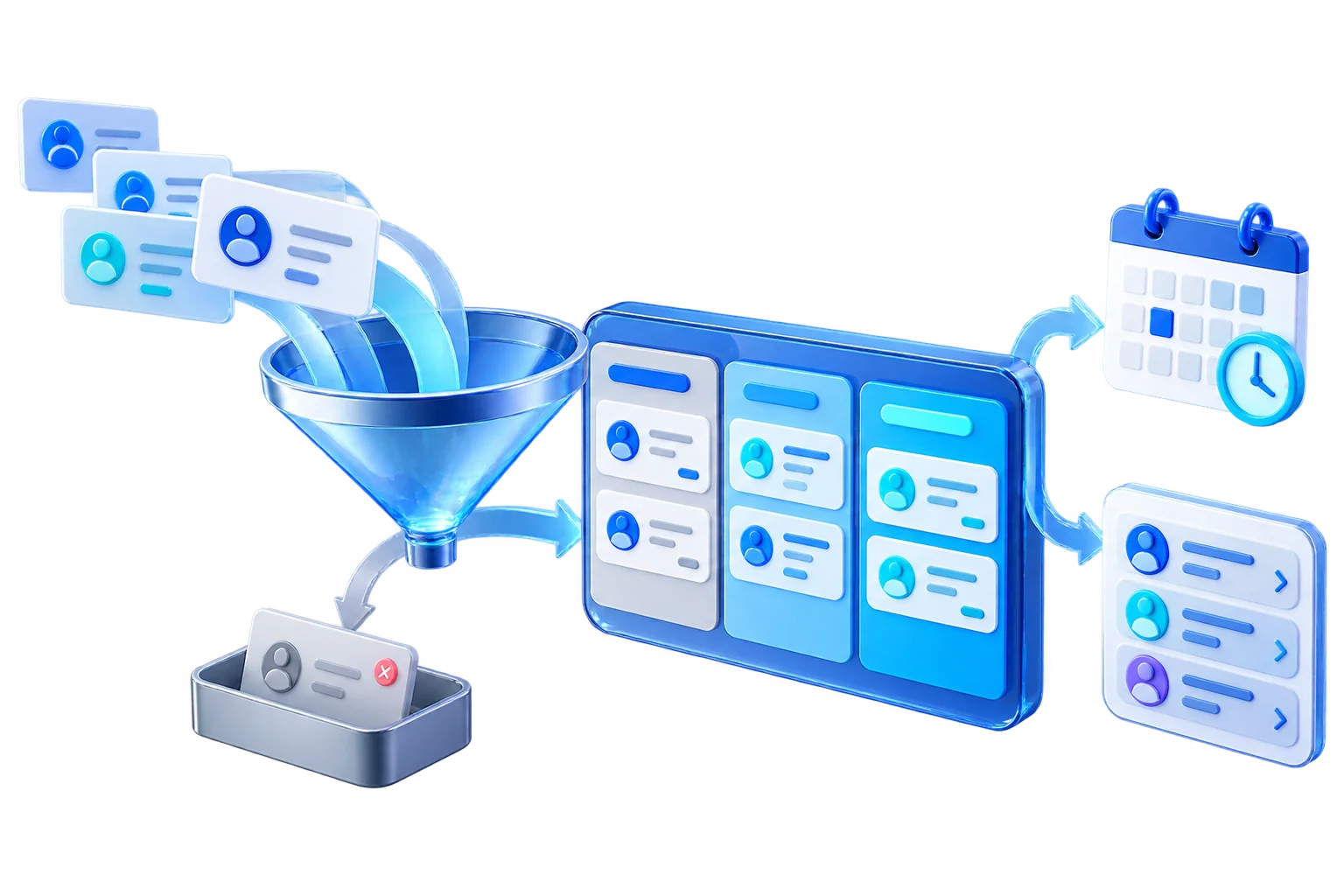
Lead intake and follow-up. Enquiries from your website, email or SMS become complete CRM records with the next task assigned, and follow-up messages stop when the customer replies or books.
Quotes, agreements and signatures. Approved details populate your templates, and signed documents are filed against the right customer or job.
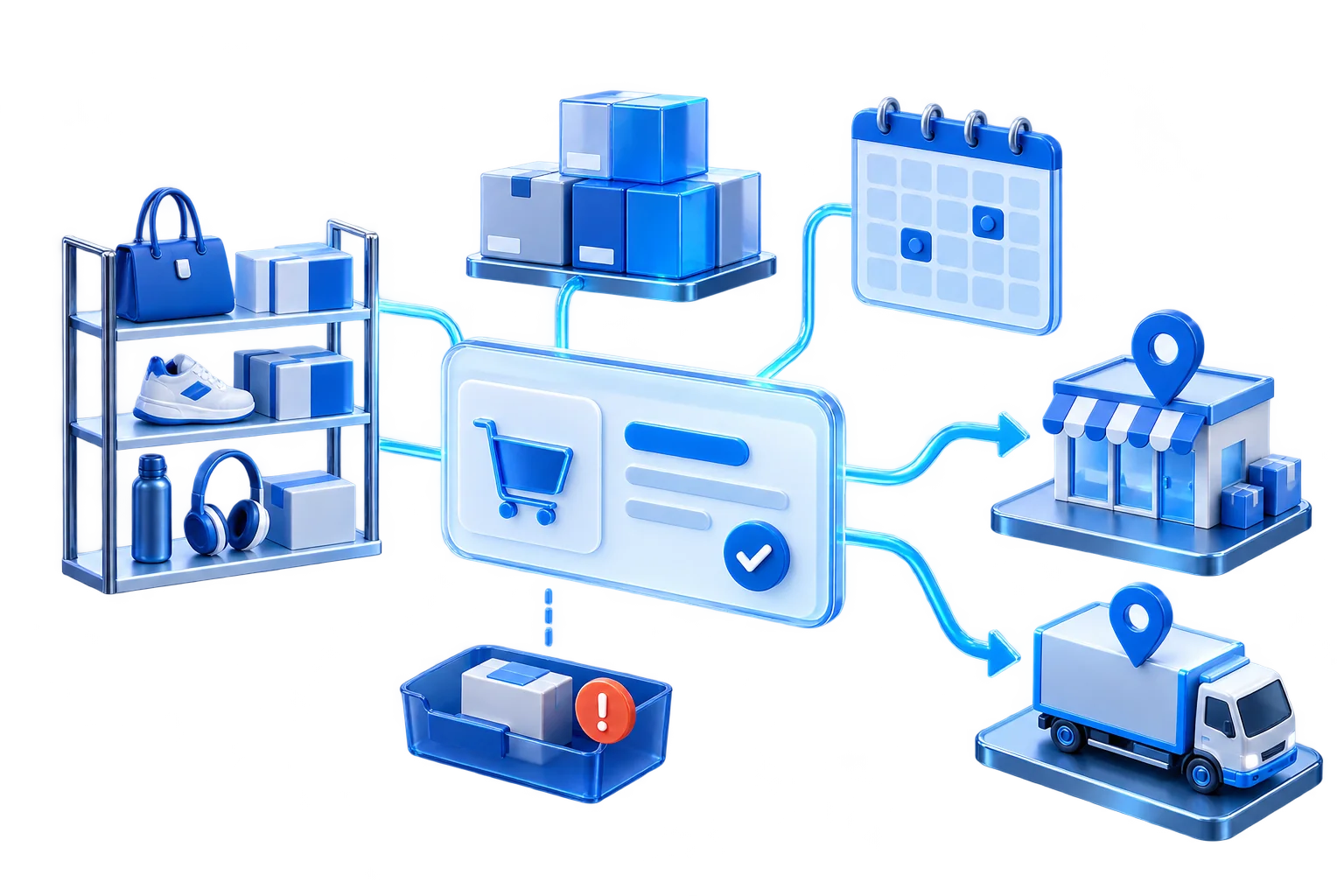
Orders and dispatch. Order events become preparation, pickup or dispatch queues, with duplicates and incomplete orders flagged for staff.
Illustration of enquiries becoming organised opportunities and staff follow-up tasks.
Bookings and enrolments. The agent checks real availability, gathers the details you need, confirms within your rules and sends reminders that follow changes and cancellations.
How we keep it under control
Each action the agent can take is defined, permission-checked and logged.
Reading, proposing and committing a change are separate steps where your business needs review.
Work survives interruptions. A retried step does not create a second booking, message or payment.
Staff can inspect, pause and take over any run.
Illustration of resource availability, an appointment and connected reminders.
What you receive
A working automation for the agreed path, connected to your CRM, mailbox, calendar, store or accounting system, with an operating view of exceptions, test scenarios for the failure cases and a runbook for your team.
How we engage
During Project Design we define the first complete path, from a real enquiry to its finished record. Fixed-price delivery names the channels, systems, documents and exceptions included.
Platforms & Tooling
.NET
Microsoft Agent Framework
Microsoft.Extensions.AI
Semantic Kernel
MCP
Python
OpenAI
Claude
AI Inside Your Product|Typed Application Services|Useful User Experiences
AI is most useful inside the software people already use. Sphere 10 adds assistants, document understanding, guided analysis and drafting to your website, web application, desktop software or back-office system, sharing its sign-in, data and controls instead of sitting in a separate chat window.
What we build
Customer assistants. Answer product, service and policy questions from approved information, look up a customer's own order or booking, and hand over to staff with the conversation attached.
Staff assistants. Help your team find the right record, prepare a reply or draft a handover from within their normal working screen.
Illustration of a customer answer grounded in product information, with staff handover.
Storefront assistants. Recommend suitable products from your live catalogue and availability, and answer order questions from the real order.
Illustration of an order connected to stock, pickup capacity and dispatch destinations.
Content production. Turn approved source material into briefs, articles, newsletters, social posts and campaign imagery, with editorial review before anything is published.
What you receive
A complete, working feature in your product, not a prototype.
Connections to the systems that own your products, customers and orders.
Review and approval steps where your business requires them.
Usage, cost and failure reporting, plus the test examples used for acceptance.
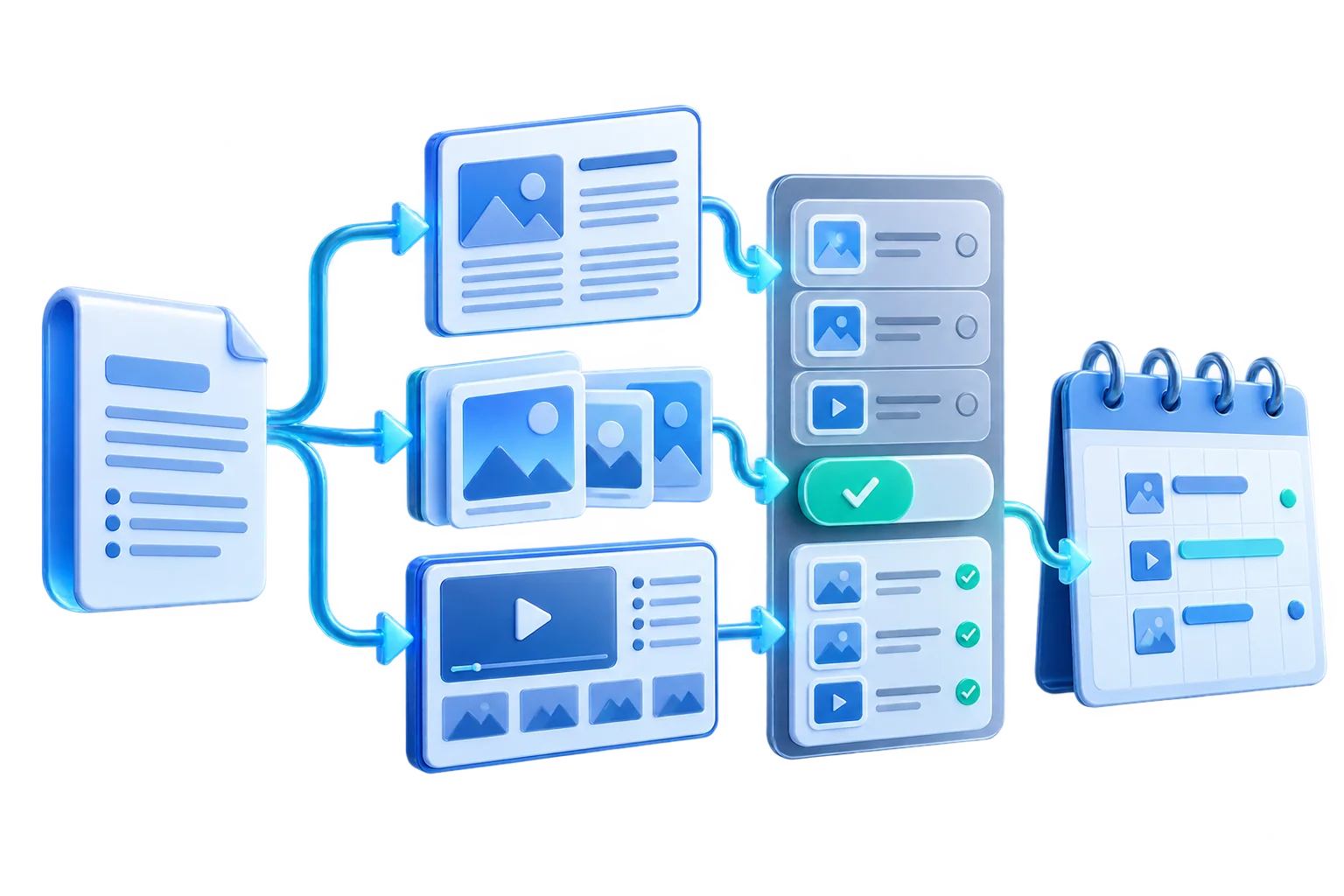
Illustration of source material becoming article, social and video drafts before editorial approval.
How we engage
We test with the kinds of records, documents and permissions your users will meet, including slow or unavailable providers. You receive the source code, deployment configuration and documentation. Our involvement can end at accepted delivery or continue into support.
Platforms & Tooling
.NET
ASP.NET Core
Blazor
Microsoft.Extensions.AI
Semantic Kernel
OpenAI
Claude
ONNX Runtime
Production Inference|Measured Capacity|Controlled Model Releases
A model that works in a demonstration still has to be run, monitored, updated and paid for. Sphere 10 takes AI from a working build to a dependable service, on a managed cloud platform, dedicated GPU servers or a private environment, with clear ownership of data, cost and day-to-day operation.
What we do
Size it for real use. We measure response time, throughput and cost with representative requests, then choose hosting and hardware from those measurements.
Release safely. Model and software versions are recorded, tested against agreed examples before release, rolled out in stages and reversible.
Monitor what matters. Alongside system health, you see whether the business work completed, including unanswered enquiries, pending approvals, failed imports and running cost.
Keep changes controlled. Updates to your policies, prices, documents and templates are traceable and reach the service without a redeployment.
Illustration of production monitoring and operational ownership.
What you receive
A deployed service with documented limits, alerts and recovery steps.
Build and infrastructure definitions your team or ours can operate.
A tested rollback to the previous accepted version.
Runbooks naming who responds to each kind of incident.
How we engage
Deployment can be part of a fixed-price build or a separate engagement. After acceptance, monitoring, support and improvement continue under a Project Execution SLA if you want us to operate the service. Model usage, hosting and third-party subscriptions are identified separately from our fees.
Platforms & Tooling
.NET
vLLM
ONNX Runtime
MLflow
PyTorch
Hugging Face
OpenTelemetry
NVIDIA CUDA